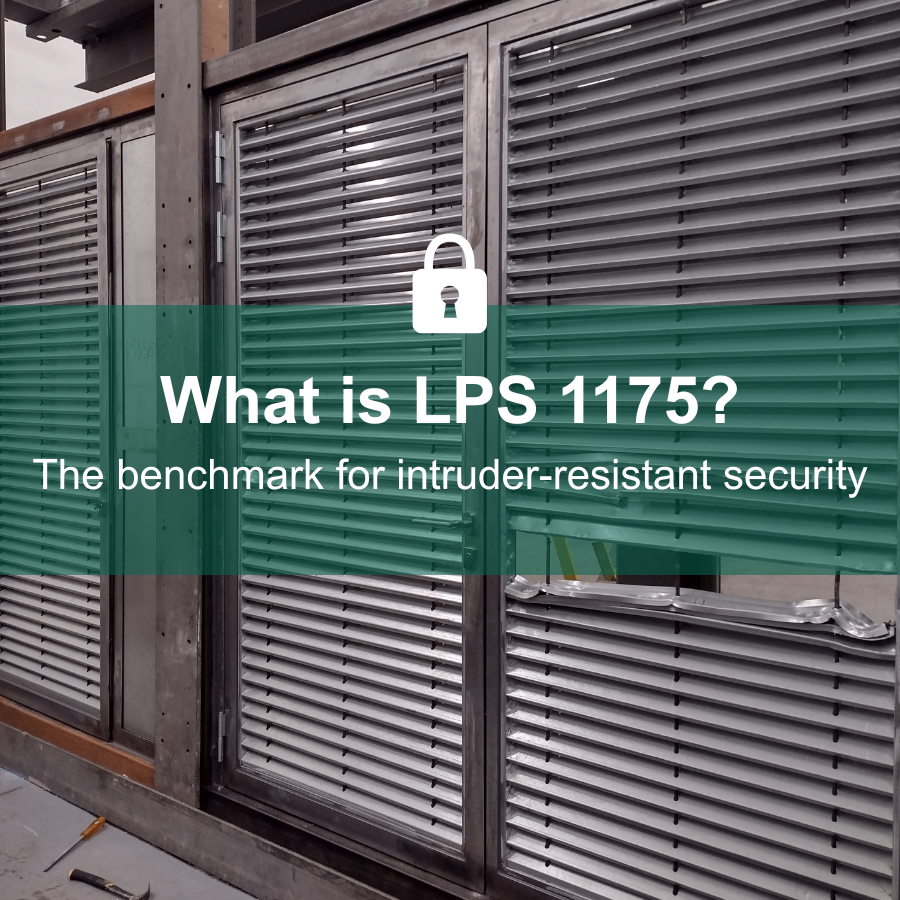
When choosing a security door, one of the most important factors to consider is how well it protects against forced entry. That’s where LPS 1175 comes in – the leading security standard used across the UK to measure and certify the intrusion resistance of doors, shutters, enclosures, and other physical security products.
Design and Supply manufacture LPS 1175 certified steel doors up to SR4, giving our customers independently tested protection for a wide range of projects – from schools and retail units to utilities, commercial buildings, and high-risk sites.
This guide breaks down what LPS 1175 is, how the testing works, and what the security ratings (SR levels) really mean.
LPS stands for Loss Prevention Standard, and LPS 1175 is published by the Loss Prevention Certification Board (LPCB) – the UK’s leading authority on security product testing and certification.
In simple terms, LPS 1175 determines how long a product can delay a real intruder using known toolsets.
LPS 1175 measures how effectively a product can delay an attacker until a security response arrives.
This is done using:
The result is a security rating known as an SR level.
Each SR level represents a different threat scenario, attack capability, and level of determination.
Here’s a clear breakdown:
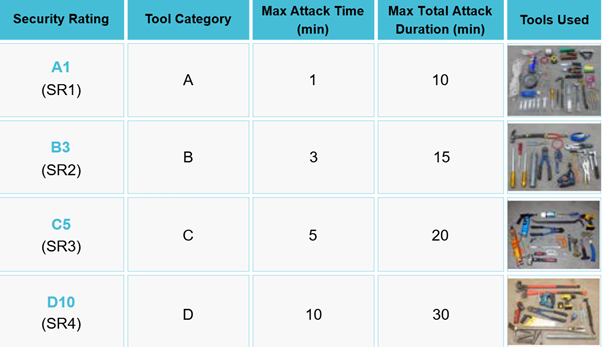
Max attack time refers to the committed time the technician can physically attack the product in a specified location.
Total test time includes breaks – simulating the real behaviour of intruders who may pause, re-position, or switch tools.
As the SR level increases, so does the tool severity, skill level, and determination of the attacker being simulated.
Each steel door is installed into a realistic substrate such as:
This ensures testing reflects real-life conditions rather than a laboratory setup.
An LPCB engineer then attempts to break through the door using the designated tools for that SR level. Tools may include:
The door must continue to prevent access for the full attack duration to pass.
When specifying a steel door, LPS 1175 certification gives you:
Measurable, independent proof of security performance
You know exactly what the door can withstand and for how long.
Confidence that the product is tested under realistic conditions
The testing simulates how prepared intruders behave, not theoretical calculations.
A security door that meets industry and insurance requirements
LPS 1175 is widely recognised across construction, utilities, government, and education.
Clear guidance on the right door for each risk level
Whether you need protection from opportunistic theft or high-risk targeted attacks, there’s an SR level that matches the threat.
At Design and Supply, we manufacture steel doors tested and certified to LPS 1175, giving you security options for:
Every door is tested, certified, and built to perform where it matters most.
If you’re unsure which SR rating your project requires, our expert team can help you select the right solution.
Want to learn more about LPS 1175 or discuss a project?
Our technical specialists are here to help.